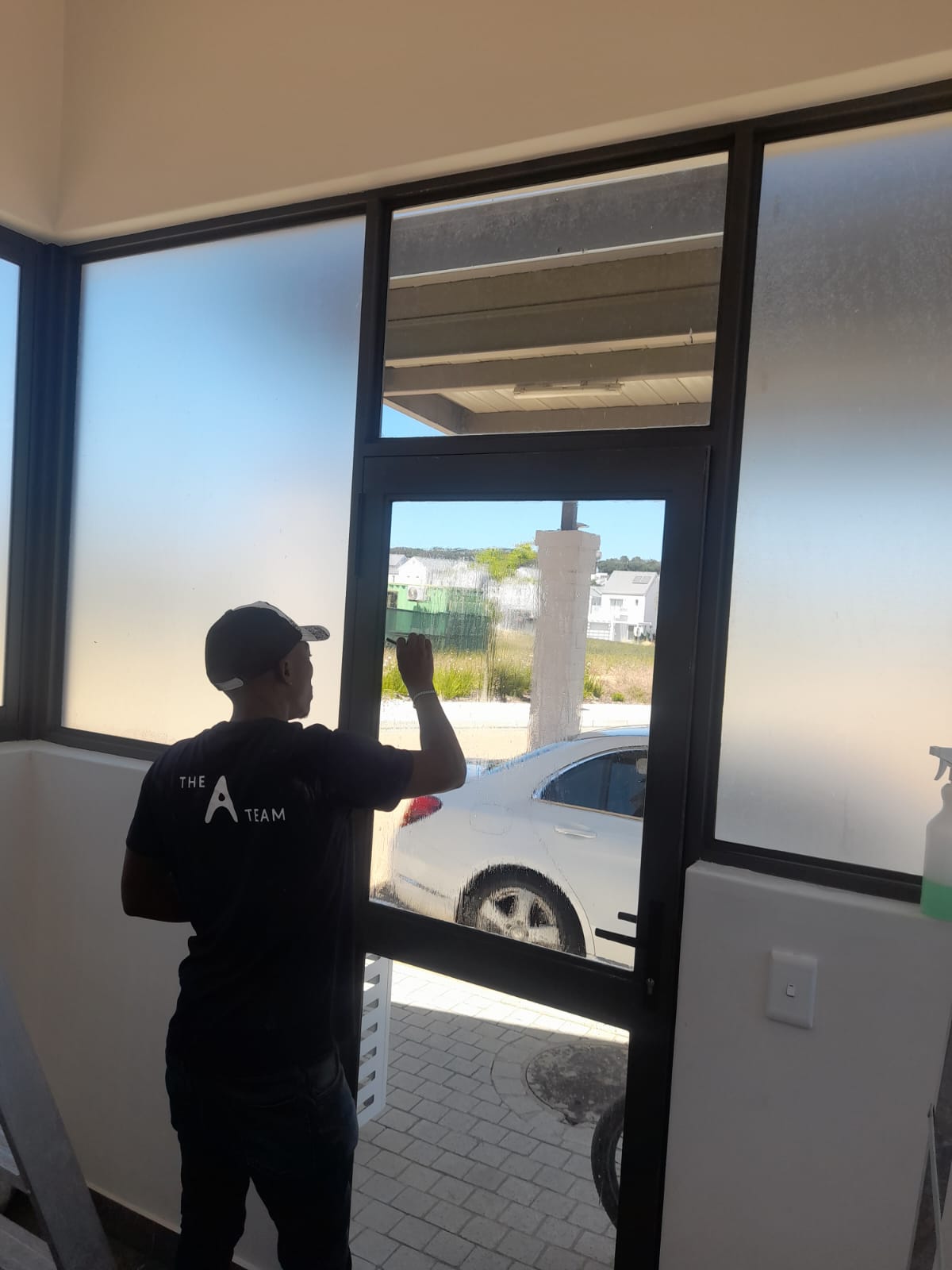
Rising electricity costs are one of the biggest ongoing overheads for Cape Town businesses. Commercial buildings with large glass façades — offices, retail stores, showrooms — are especially exposed, because untreated glass lets solar heat pour straight into the building. The result is an HVAC system that's constantly working overtime, and an energy bill that keeps climbing.
The good news: you don't need a renovation to fix this. Installing solar control window film is one of the fastest, least disruptive ways to cut commercial cooling costs — and it typically pays for itself well within a few years.
Glass is one of the least energy-efficient materials in any building envelope. When direct sunlight hits untreated windows, infrared radiation passes straight through, heating up everything it touches — floors, furniture, equipment, and the air itself. In a large commercial space, this creates a cascade of problems:
In double- and triple-storey office blocks with west- or north-facing glass — common across Cape Town's CBD and northern suburbs — this effect compounds throughout the afternoon, right when energy demand (and cost) is highest.
Solar control window film is applied directly to the inside of existing glass, so there's no need to replace windows or alter the building structure. It works by:
The exact savings depend on the film type. Different films offer different balances of heat rejection, visible light transmission, and appearance — for example, our Silver Reflective Film is built for maximum heat control in high-sun buildings, while Nano Ceramic Film delivers strong heat rejection with a clearer, less reflective finish for buildings where appearance matters. For buildings wanting heat control without changing the look of the glass at all, Metallised Sputter Film is worth considering too.
Lower electricity bills are the headline benefit, but solar control film pays off in other ways too:
For most commercial buildings in Cape Town — where strong, consistent sun exposure is the norm rather than the exception — solar control film tends to deliver a faster return on investment than major building upgrades like HVAC replacement or double-glazing. It requires no structural work, installation is completed with minimal disruption to business operations, and the ongoing savings start from day one.
How much can solar control film reduce cooling costs? Savings vary by building orientation, glass area, and film type, but reduced solar heat gain directly lowers HVAC run-time — which is typically one of the largest controllable costs in a commercial energy bill.
Will solar film make my office too dark? Not necessarily. Films like Nano Ceramic Film are designed to control heat while maintaining strong visible light transmission, so the space stays bright without the added heat.
How long does commercial window film installation take? Most commercial installations are completed with minimal disruption and no downtime for day-to-day operations — see our Commercial Window Tinting page for typical turnaround.
Does solar film work on all types of commercial glass? Most standard commercial glazing is suitable. A site assessment confirms the best film type for your specific building and sun exposure.
Ready to cut your building's cooling costs? Get a customised quote for commercial window tinting and find out which solar control film fits your building.
If you need a similar privacy or security upgrade for your commercial property, contact TintPro for a fast, professional installation anywhere in Cape Town.